| |
Thank you so much to all who participated!
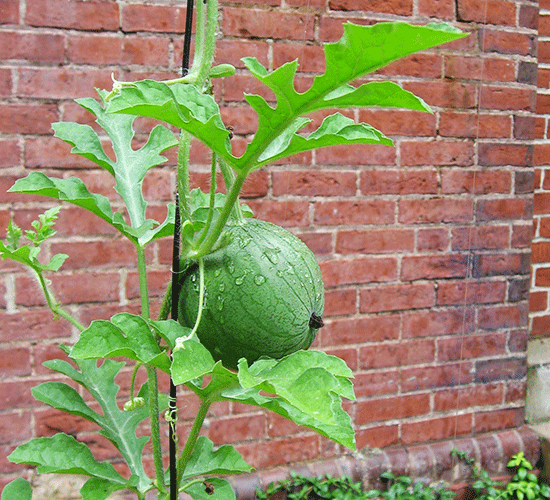
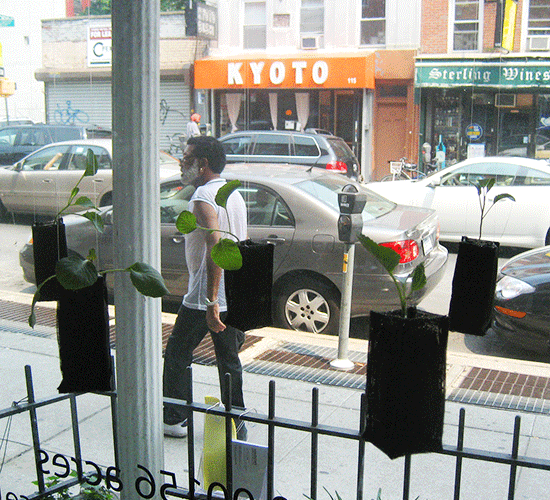
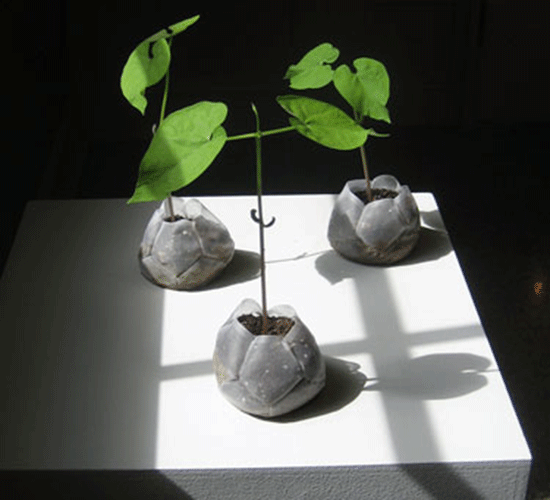
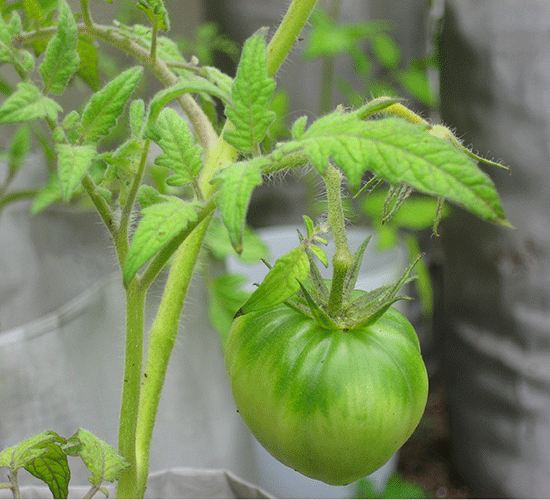
Together we sowed and distributed several hundred
seed pots for planting in gardens across New York City. Here
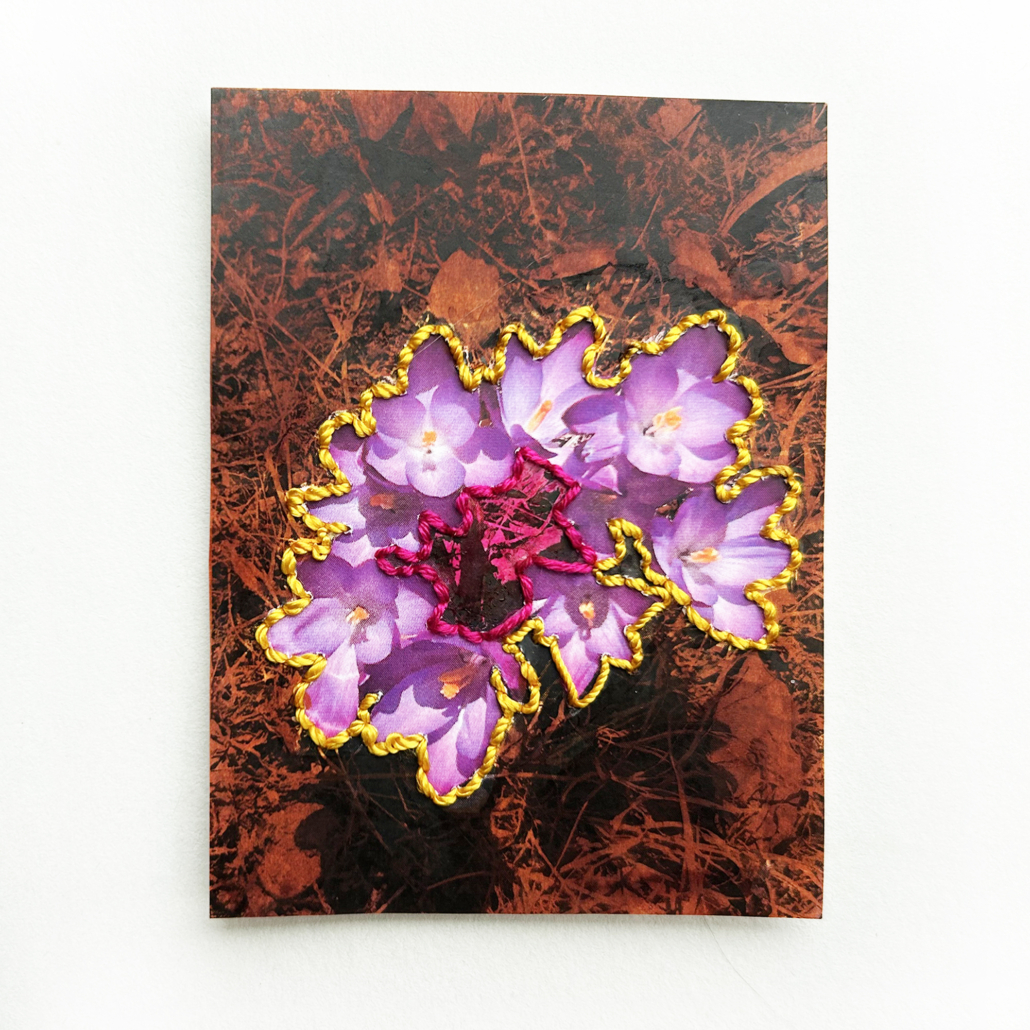
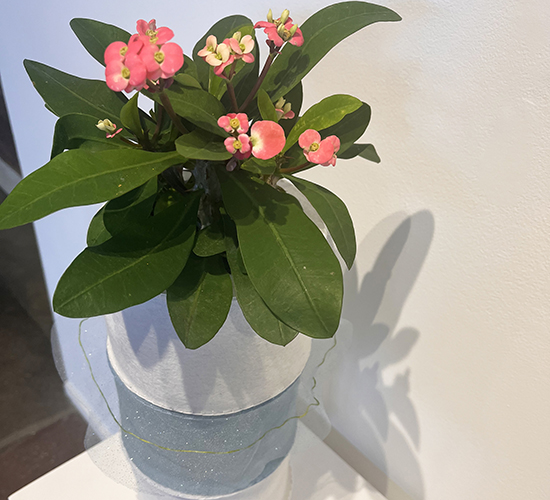
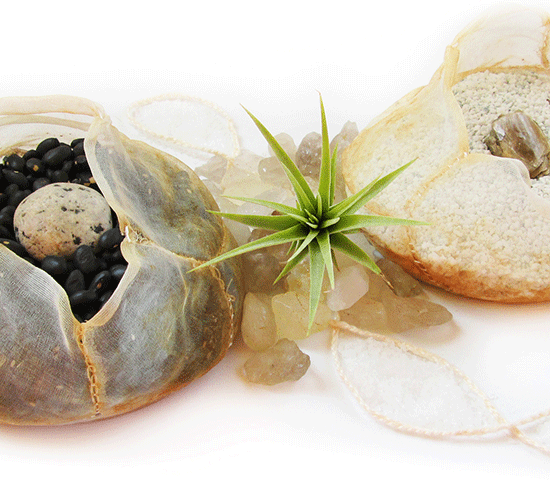
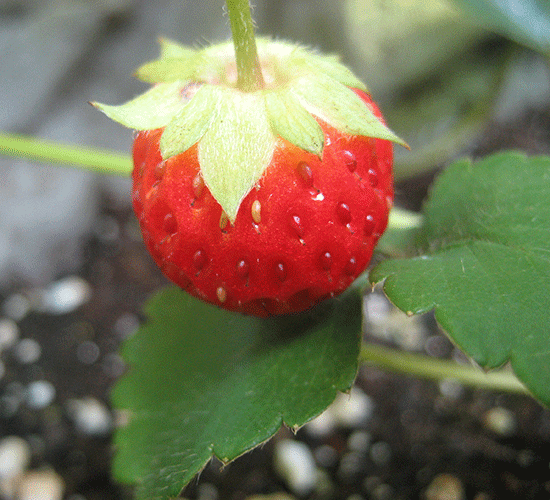
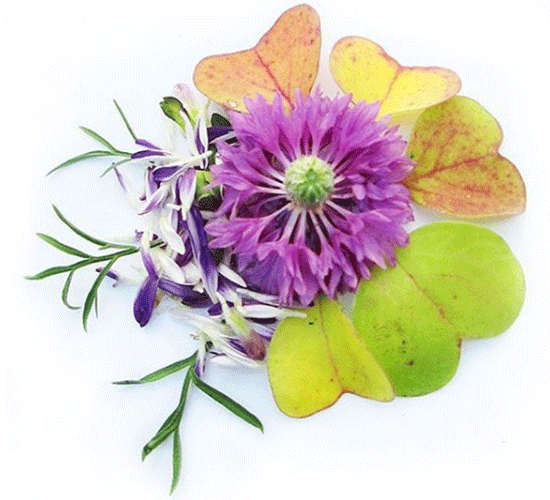
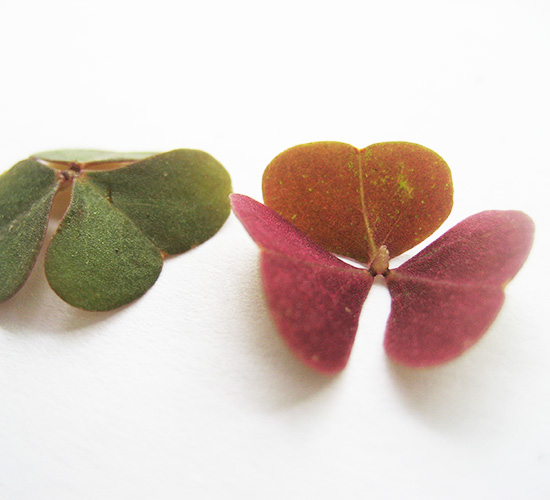
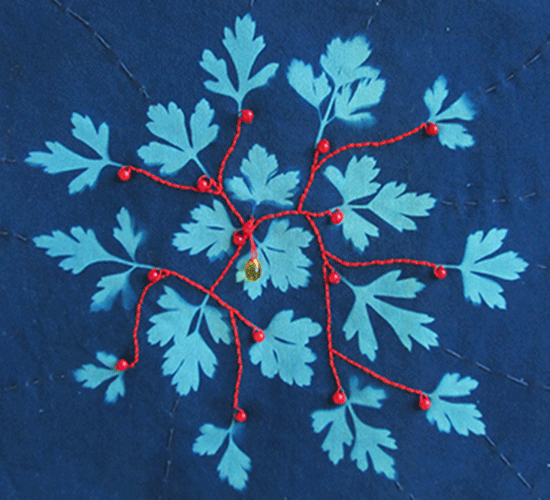
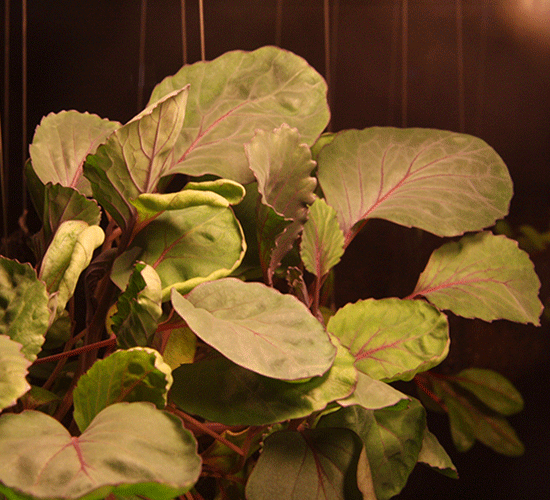
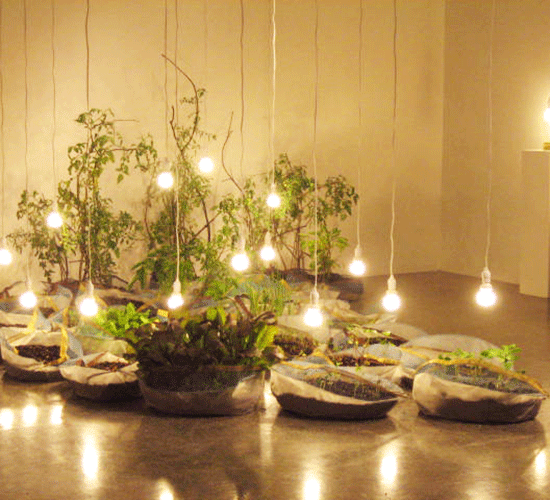
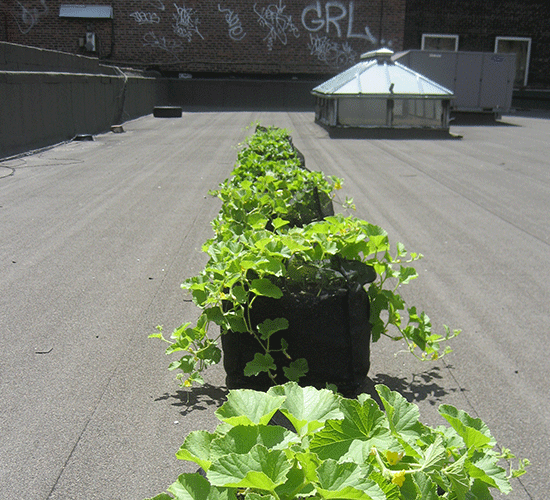
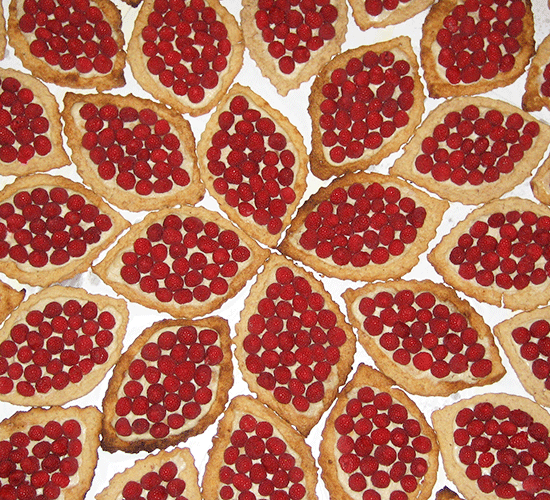
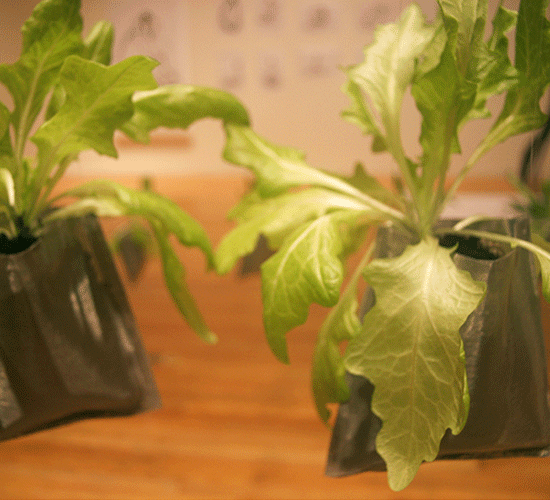
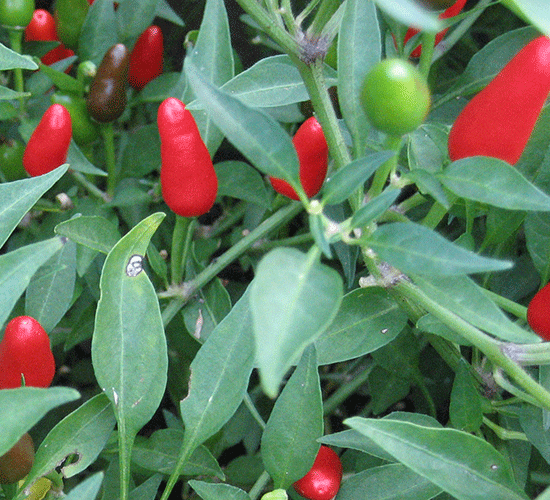
are some photos of our lovely afternoon, thanks to Andrea Wenglowskyj.
For all those who carried seeds away, information about care of each plant
and seed saving follows. All seeds were purchased from Seed
Savers Exchange, Southern
Exposure Seed Exchange, Marianna's
Heirloom Seeds and Native
Seeds, photography and written content are also courtesy of these
organizations and Slow
Food.
Plant care information and instructions
 |
Amish Deer Tongue
Lettuce
Amish variety valued for its ruggedness and heavy production. Thick
solid compact plant. Sharply triangular green leaves with straight
edges. Unique growth habit. Thin midrib, good texture. Pleasantly
sharp flavor. Looseleaf, 45-55 days.
Planting Instructions
Sow seeds outdoors 1/4" deep and 1"
apart. Thin to 8" apart for looseleaf and 12" for head
lettuce. Does well when soil temperature is below 80 degrees F.,
try to avoid planting in the middle of summer. Keep soil moist for
up to two weeks after planting.
Seed Saving Instructions
There is only a slight chance of cross-pollination
between lettuces. As a precaution separate by 25' from other varities
that are going to seed. Allow plants to bolt and form seed stalks.
Seedheads may need to be protected from bird damage and rain when
drying. Seeds are produced over a 2-3 week period and will require
repeated harvesting. |
| |
|
 |
Amish Paste Tomato
Amish heirloom discovered in Wisconsin. Produces 6-8 oz. red fruits
that are oxheart to almost teardrop-shaped. Meaty fruits are juicy
and have really outstanding flavor. Good for sauce or fresh eating.
Indeterminate, 85 days from transplant.
Planting Instructions
Sow indoors 1/4" deep in pots or flats
6 weeks before the last frost. Thin seedlings when 2" tall
and transplant into individual pots. Plant outdoors 24" apart
in rows 36" apart. Indeterminate, vines will require support.
Seed Saving Instructions
Cross-pollination between modern tomato
varities seldom occurs, except in potato leaf varieties which should
be separated by the length of the garden. Do not save seeds from
double fruits or from the first fruits of large-fruited varities.
Pick at least one ripe fruit from each of several plant. Squeeze
seeds and juice into a strainer and wash, spread on paper plate
and dry. |
| |
|
 |
Austin's Red Pear
Tomato
A real standout among all of Seed Saver’s red pears. Extra
large 2" red tomatoes with excellent flavor. Very productive;
occasionally a plant with yellow fruit appears. Indeterminate, 80
days from transplant. CERTIFIED ORGANIC
Planting Instructions
Sow indoors 1/4" deep in pots or flats
6 weeks before the last frost. Thin seedlings when 2" tall
and transplant into individual pots. Plant outdoors 24" apart
in rows 36" apart. Indeterminate, vines will require support.
Seed Saving Instructions
Cross-pollination between modern tomato
varities seldom occurs, except in potato leaf varieties which should
be separated by the length of the garden. Do not save seeds from
double fruits or from the first fruits of large-fruited varities.
Pick at least one ripe fruit from each of several plant. Squeeze
seeds and juice into a strainer and wash, spread on paper plate
and dry. |
| |
|
 |
Beaver Dam Pepper
Hungarian heirloom brought to Beaver Dam, Wisconsin
in 1929 by the Joe Hussli family. Florence Hussli recommends adding
sliced raw rings to a cheese and bologna sandwich or using for stuffed
peppers. Crunchy fruits are mildly hot when seeded. Excellent flavor,
ripens from lime-green to red. Great for making fresh batches of
salsa. 80 days from transplant. Heat Scale: Sweet...0-1-2-3-4-5...Hot.
CERTIFIED ORGANIC.
Planting Instructions
Start seedlings indoors 8 weeks before transplanting.
Sow seeds 1/4" deep. Keep soil moist and near 80 degrees F
using bottom heat. Peppers may take two weeks to germinate. Transplant
outdoors when daytime soil temperatures are near 80 degrees F and
nighttime temperatures are above 50 degrees F.
Seed Saving Instructions
Peppers will cross-pollinate, so seperate
by at least 500' or plant in insect-proof cages covered with window
screen. Select peppers that are ripe, fully colored and show no
signs of disease to save for seed. Remove seeds off core and place
on a paper plate to dry. |
| |
|
 |
Bee Balm or Lemon
Mint
Used by Native Americans to brew a tea; replaced black tea during
the Boston Tea Party. Citrus-flavored leaves can be minced and added
to fruit and jellies. Beautiful purplish bracts, 24-30" tall,
aromatic and colorful in fall. Excellent bee forage plant. Hardy
perennial in zones 5-9.
Planting Instructions
Start seeds indoors 8-10 weeks before planting
outdoors. Plant seeds on the surface of the soil. Seeds germinate
in 10-20 days. Transplant the seedlings in early spring when a light
frost is still possible. Beebalm prefers partial shade and average
soil. Hardy perennial. |
| |
|
 |
Black Krim Tomato
Named for the Crimean peninsula in the Black Sea. Slightly flattened
4-5" globes with dark greenish-black shoulders, turns almost
black with enough heat and sun. Excellent full flavor. Indeterminate,
69-90 days from transplant.
Planting Instructions
Sow indoors 1/4" deep in pots or flats
6 weeks before the last frost. Thin seedlings when 2" tall
and transplant into individual pots. Plant outdoors 24" apart
in rows 36" apart. Indeterminate, vines will require support.
Seed Saving Instructions
Cross-pollination between modern tomato
varities seldom occurs, except in potato leaf varieties which should
be separated by the length of the garden. Do not save seeds from
double fruits or from the first fruits of large-fruited varities.
Pick at least one ripe fruit from each of several plant. Squeeze
seeds and juice into a strainer and wash, spread on paper plate
and dry. |
| |
|
 |
Boston Marrow Squash
Originates from J. M. Ives of Salem, Massachusetts who received
seeds from a friend in 1831. Thought to be of Native American origin,
but not documented. Striking reddish orange skin, average fruits
weigh 10-20 pounds. Excellent eating qualities, fine grained, sweet
flesh. Almost two centuries of history! 90- 110 days.
Planting Instructions
Sow seeds outdoors after danger of frost has
passed. Plant 6-8 seeds 1" deep in 12" diameter hills
placed 6' apart each way. Pinch off all but 3-4 of the strongest
seedlings.
Seed Saving Instructions
Squash within the sames species will
cross-pollinate, so isolate species by 1/4 mile. Seeds should be
taken from fruits that have gone past maturity by 3 weeks. Remove
seeds, wash and let dry. |
| |
|
 |
Chapalote Corn
odern representatives of the Chapalote corn land race are the closest
remnants we have of the earliest maize to be carried up from Central
America into North America. In other words, the earliest archaeological
evidence of corn found in Bat Cave and other rock shelters in New
Mexico is classified as Chapalote or preChapalote, the latter smaller,
but otherwise identical flinty popcorn. Cultivation of this ancient
maize was abandoned in the Southwest some time after Spanish colonization,
and Chapalote persisted as a living legacy only in the Mexican states
of Chihuahua, Sonora, and Sinaloa..
Planting Instructions
In early spring just before last frost, or with
summer rains in the low desert, plant seeds 1" deep in rows,
clumps, or basins. If saving seeds, a minimum of 100 plants is desirable
to maintain genetic diversity. Corn needs rich soil and moisture
to produce a crop. Drought stress, high winds, heat and low humidity
can all reduce polination. |
| |
|
 |
Charantais Melon
Considered by many to be the most divine and flavorful melons in
the world. Smooth round melons mature to a creamy grayish-yellow
with green stripes. Sweet, juicy, salmon flesh. Typically the size
of a grapefruit and weighs about 2 pounds, perfect for two people.
Ripe melons have a heavenly fragrance. 75-90 days.
Planting Instructions
Best when direct seeded in warm soil after the
danger of frost has passed. Plant 6-8 seeds 1" deep in 12"
diameter hills spaced 6' apart each way. After germination pinch
off all but 3-4 of the strongest seedlings.
Seed Saving Instructions
Melon will cross-pollinate, so isolate
1/4 mile from other "melons" (cantaloupes, muskmelons,
honeydew, snake melon, and Armenian cucumbers will all cross.) Always
save seeds from disease-free, early ripening melons. Wash seeds
from ripe melons in a strainer and dry. Seeds are ready to store
when they break instead of bend. |
| |
|
 |
Chervena Chushka
Pepper
The best performing pepper during the record-setting cold and wet
summer of 2004 at Heritage Farm. Bulgarian heirloom, traditionally
used for roasting but also a great sweet pepper. Flesh is bright-red
and very sweet, almost candy-like. Tapered fruits that are 2"
at the shoulder by 6" long, ripens from green to brown to bright
red. 85 days from transplant. Heat Scale: Sweet...0-1-2-3-4-5...Hot.
CERTIFIED ORGANIC
Planting Instructions
Start seedlings indoors 8 weeks before transplanting.
Sow seeds 1/4" deep. Keep soil moist and near 80 degrees F
using bottom heat. Peppers may take two weeks to germinate. Transplant
outdoors when daytime soil temperatures are near 80 degrees F and
nighttime temperatures are above 50 degrees F.
Seed Saving Instructions
Peppers will cross-pollinate, so seperate
by at least 500' or plant in insect-proof cages covered with window
screen. Select peppers that are ripe, fully colored and show no
signs of disease to save for seed. Remove seeds off core and place
on a paper plate to dry. |
| |
|
 |
Chives
Great ornamental herb for fresh eating or cooking, excess freezes
well. Dead-head spent flowers for an extended blooming period. Perennial
in zones 3-9. CERTIFIED ORGANIC.
Planting Instructions
Start seedlings indoors 4-6 weeks before transplanting. Sow seeds
in flats 1/4" deep and spaced 1" in all directions. Transplant
as soon as the soil can be worked in the spring. Chives are also
easy to direct seed. Established plants can easily be divided in
both the spring and fall..
Seed Saving Instructions
Chives are a perrennial producing seed
each season. Chives will not cross with any other Allium. The purple
blooms are insect pollinated and then go on to form seed heads.
When the heads start to dry, cut off, dry further, and thresh. |
| |
|
| |
Cilantro
No Mexican meal is complete without fresh cilantro. The fresh leaves
are called Cilantro and the seeds are used as a spice called Coriander.
We like to make successive sowings to ensure a continuous supply
all spring, summer and fall. This slow-bolting strain is usable
for a very long period and holds very well without going to seed.
50-55 days to first leaf harvest, 90-120 days for seed. Annual.
Planting Instructions
Sow seeds outdoors 1/2" deep after the last frost. Space plants
8-10" in all directions. Seeds germinate in 10 days. Prefres
full sun or partial shade and rich well-drained soil. Cilantro has
a tendency to self-seed.
Seed Saving Instructions
Cilantro, will cross-pollinate with other
varities of cilantro so varieties must be separated by 1/2 mile
while flowering. Seeds can be harvested when they are dry on the
plant. |
| |
|
 |
Collective Farm Woman Melon
First offered to American gardeners by SSE in
1993. An old Ukrainian variety, very popular on the island of Krim
in the Black Sea. Smooth round 7-10" melons are ready to harvest
when the skin turns yellowish-orange. Yellowish-white flesh is extremely
sweet and fragrant. Early, ripens in central Russia and can even
be grown in Moscow. 80-85 days.
Planting Instructions
Best when direct seeded in warm soil after the
danger of frost has passed. Plant 6-8 seeds 1" deep in 12"
diameter hills spaced 6' apart each way. After germination pinch
off all but 3-4 of the strongest seedlings.
Seed Saving Instructions
Melon will cross-pollinate, so isolate
1/4 mile from other "melons" (cantaloupes, muskmelons,
honeydew, snake melon, and Armenian cucumbers will all cross.) Always
save seeds from disease-free, early ripening melons. Wash seeds
from ripe melons in a strainer and dry. Seeds are ready to store
when they break instead of bend. |
| |
|
 |
Crane Melon
Introduced in the 1920s by Oliver Crane whose
family farmed for six generations near Santa Rosa, California. Crenshaw-type,
teardrop-shaped, 3-5 pounds. Unusual dark green freckles dot the
lighter green skin. Ready for picking when the freckles turn orange.
Light-orange flesh, great sweet flavor. 75-85 days.
Planting Instructions
Best when direct seeded in warm soil after the
danger of frost has passed. Plant 6-8 seeds 1" deep in 12"
diameter hills spaced 6' apart each way. After germination pinch
off all but 3-4 of the strongest seedlings.
Seed Saving Instructions
Melon will cross-pollinate, so isolate
1/4 mile from other "melons" (cantaloupes, muskmelons,
honeydew, snake melon, and Armenian cucumbers will all cross.) Always
save seeds from disease-free, early ripening melons. Wash seeds
from ripe melons in a strainer and dry. Seeds are ready to store
when they break instead of bend. |
| |
|
 |
Delice De Table Melon
French heirloom listed by Vilmorin in 1885.
Translates to "Delight of the Table." Ribbed fruits have
sweet orange flesh, weigh about one pound. Very hard-to-find, almost
extinct. 85-90 days.
Planting Instructions
Best when direct seeded in warm soil after the
danger of frost has passed. Plant 6-8 seeds 1" deep in 12"
diameter hills spaced 6' apart each way. After germination pinch
off all but 3-4 of the strongest seedlings.
Seed Saving Instructions
Melon will cross-pollinate, so isolate
1/4 mile from other "melons" (cantaloupes, muskmelons,
honeydew, snake melon, and Armenian cucumbers will all cross.) Always
save seeds from disease-free, early ripening melons. Wash seeds
from ripe melons in a strainer and dry. Seeds are ready to store
when they break instead of bend. |
| |
|
 |
Early Fortune Cucumber
Introduced in 1910 by the Jerome B. Rice Seed
Company of Cambridge, New York, who described it as "the earliest
and best white spine cucumber ever offered." Selected by George
Starr at Royal Oak, Michigan from a single plant found in a crop
of Davis Perfect (now extinct). Fruits are 7-8" long by 2"
in diameter. 55-60 days.
Planting Instructions+
Sow 6-8 seeds outdoors 1" in 12" diameter
hills spaced 6' apart each way a week after the last frost when
soil is warm. Pinch off all but 3-4 of the strongest seedlings.
Can be started indoors in pots or flats 3-4 weeks before the last
frost for an earlier harvest
Seed Saving Instructions
Cucumber will cross-pollinate, so isolate
1/4 mile from other cucumbers. Fruits for seed should ripen past
edible stage and begin to soften and turn yellow. Cut lengthwise,
scoop out seeds, wash clean and dry. Seeds are dry when they break
instead of bending. |
| |
|
 |
Emerald Gem Melon
Introduced by W. Atlee Burpee in 1886 from seed
sent by William Voorhees of Benzie County, Michigan. The most popular
melon of that period, hailed as "altogether unapproached in
delicious flavor and luscious beyond description." Pale-orange
rich juicy flesh is sweet and somewhat spicy in flavor. Very heavy
producer, compact plants. Fruits weigh 2-3 pounds. 70-90 days. CERTIFIED
ORGANIC.
Planting Instructions
Best when direct seeded in warm soil after the
danger of frost has passed. Plant 6-8 seeds 1" deep in 12"
diameter hills spaced 6' apart each way. After germination pinch
off all but 3-4 of the strongest seedlings.
Seed Saving Instructions
Melon will cross-pollinate, so isolate
1/4 mile from other "melons" (cantaloupes, muskmelons,
honeydew, snake melon, and Armenian cucumbers will all cross.) Always
save seeds from disease-free, early ripening melons. Wash seeds
from ripe melons in a strainer and dry. Seeds are ready to store
when they break instead of bend. |
| |
|
 |
Fin De Bagnol Bean
Old gourmet variety of French string bean, delicious
round slender pods. Best when picked every 2 or 3 days when very
young. Productive in cool soils. Attractive as tiny gourmet green
beans. Bush plants, 49-57 days. Average Seeds per Pound = 1,400.
Planting Instructions
Sow seeds outdoors after danger of frost has
passed and the soil and air temperatures warm. Plant seeds 1"
deep and 2" apart in rows 24-36" apart
Seed Saving Instructions
Bean flowers are self-pollinating and
almost never cross-pollinate. To ensure absolute purity, seperate
by the length of th garden from other beans. It is always best to
save seed from plants that ripen first and are free from disease.
Harvest seed pods when completely dry, crush in a cloth or burlap
sack and winnow the seeds from the chaff. |
| |
|
 |
Fish Pepper
Pre-1870s African-American heirloom. Beautiful
green and white variegated foliage on 18-24" plants. Pendant
fruits 2-3" long, ripen from cream with green stripes to orange
with brown stripes to all red. Traditionally used in oyster and
crab houses around the Chesapeake Bay. Perfect for salsa. 80 days
from transplant. Heat Scale: Sweet...0-1-2-3-4-5...Hot.
Planting Instructions
Start seedlings indoors 8 weeks before transplanting.
Sow seeds 1/4" deep. Keep soil moist and near 80 degrees F
using bottom heat. Peppers may take two weeks to germinate. Transplant
outdoors when daytime soil temperatures are near 80 degrees F and
nighttime temperatures are above 50 degrees F.
Seed Saving Instructions
Peppers will cross-pollinate, so seperate
by at least 500' or plant in insect-proof cages covered with window
screen. Select peppers that are ripe, fully colored and show no
signs of disease to save for seed. Remove seeds off core and place
on a paper plate to dry. |
| |
|
 |
Flame Lettuce
Introduced to gardeners in 1988 by Harris Moran
Seed Company. Describes as "distinctly red; slow bolting; a
fast mover for markets demanding unique vegetables." Flame
is a relatively recent introduction, however it is offered by only
a few companies today. Looseleaf, 60 days.
Planting Instructions
Sow seeds outdoors 1/4" deep and 1"
apart. Thin to 8" apart for looseleaf and 12" for head
lettuce. Does well when soil temperature is below 80 degrees F.,
try to avoid planting in the middle of summer. Keep soil moist for
up to two weeks after planting.
Seed Saving Instructions
There is only a slight chance of cross-pollination
between lettuces. As a precaution separate by 25' from other varities
that are going to seed. Allow plants to bolt and form seed stalks.
Seedheads may need to be protected from bird damage and rain when
drying. Seeds are produced over a 2-3 week period and will require
repeated harvesting. |
| |
|
 |
Giant Italian Parsley
Large bushy plants produce a continuous supply
of large flat leaves with strong parsley flavor. Prized by Italian
cooks. Biennial in zones 6-9, grown as an annual. 85-90 days. CERTIFIED
ORGANIC.
Planting Instructions
Sow seeds outdoors 1/4" deep when there
is still a chance of light frost. Can also be started earlier and
set out as small plants. Seeds germinate in 14-21 days. Seeds can
be soaked in warm water for 24 hours before planting. Prefers full
sun to partial shade and well-drained, rich soil.
Seed Saving Instructions
Parsleys will cross-pollinate, so isolate
by 1 mile the second year when going to seed. Dig up parsley roots
in the fall before a hard frost. Trim the tops to 2" and store
in sawdust, sand or leves. Parlsey roots will store 3-4 months when
kept between 32-40 degrees F. Plant out in the early spring. Harvest
seed heads when dry, and seperate by hand. |
| |
|
 |
German Pink Tomato
One of the two original Bavarian varieties that
started SSE. Potato-leaf plants produce large 1-2 pound meaty fruits
with few seeds, very little cracking or blossom scars. Full sweet
flavor. Excellent for canning and freezing. Dale Ott, Babtist Ott's
son, is still growing this variety today in Festina, Iowa. In a
typical season Dale will grow 30 plants and harvest 400 pounds of
tomatoes for local customers. Indeterminate, 85 days from transplant.
Planting Instructions
Sow indoors 1/4" deep in pots or flats
6 weeks before the last frost. Thin seedlings when 2" tall
and transplant into individual pots. Plant outdoors 24" apart
in rows 36" apart. Indeterminate, vines will require support.
Seed Saving Instructions
Cross-pollination between modern tomato
varities seldom occurs, except in potato leaf varieties which should
be separated by the length of the garden. Do not save seeds from
double fruits or from the first fruits of large-fruited varities.
Pick at least one ripe fruit from each of several plant. Squeeze
seeds and juice into a strainer and wash, spread on paper plate
and dry. |
| |
|
 |
Golden Midget Watermelon
Bred by Elwyn Meader and Albert Yaeger, and
introduced in 1959. The product of a cross between New Hampshire
Midget and Pumpkin Rind. The entire fruit turns golden- yellow when
ripe. Salmon-pink flesh is pleasantly sweet, black seeds. Extremely
early, ripening in just 70 days.
Planting Instructions
Sow seeds outdoors in early spring. Plant seeds
1/2" deep and 2" apart in rows 20-24" apart. Thin
seedlings to one every 12". Minimum soil temperature should
be at least 65 degrees F. Excellent results can be obtained when
grown on black landscape cloth.
Seed Saving Instructions
Watermelons will cross-pollinate. Separate
varieties by 1/4 mile or hand-pollinate. Always select disease-free
early maturing melons to save for seed. Remove seeds from ripe melons,
thoroughly wash in a strainer and dry. |
| |
|
 |
Grandma Einck's Dill
Iowa heirloom grown near Festina, Iowa since
1920 by Katherine Einck's family (Diane Whealy’s grandmother).
Large fragrant heads produce many seeds. Abundant long-lasting foliage,
great for canning or fresh use. Permanently maintained at Heritage
Farm. Germination is erratic, so please be patient. Self-seeding
annual. CERTIFIED ORGANIC.
Planting Instructions
Sow seeds outdoors early in the spring when
the ground has warmed. Place seeds just below the surface of the
soil. Prefers full sun and rich well drained soil. Will readily
volunteer each year from dropped seeds.
Seed Saving Instructions
Dill will cross-pollinate, so only one
type should be grown if you intend to save seed, or can be isolated
by 1/4 of a mile. Dill tends to go to seed very early and seed heads
can be harvested when dry. Seeds can then be separated very easily
by hand. |
| |
|
 |
Greek Oregano
Delicious, pungent flavor, claimed to be better
and sharper than true oregano. Light-green, oval, pointed leaves
that are slightly wavy at the edges. Perennial in zones 4-9.
Planting Instructions
Start indoors 6-8 weeks before the last frost.
Sow seeds just beneath the surface of the soil. Seeds will germinate
in 10 days. Plant out after the danger of frost has past. Plants
prefer full sun and very well drained soil.
|
| |
|
 |
Green Culinary Sage
Classic culinary herb for flavoring meat, cheese
and bean dishes. Good for laying on the grill and flavoring meat
with its smoke. Attractive grey-green woody/shrubby plant with beautiful
mauve flowers. Perennial in zones 5-10.
Planting Instructions
Sow seeds indoors on the surface of the soil
6-8 weeks before last frost. Can be directly sown outdoors two weeks
after the last spring frost. Seeds will germinate in 4-21 days.
Plant out into full sun after the danger of frost has passed in
late spring. Prefers rich, moist well-drained soil.
Seed Saving Instructions
Seeds are ready to harvest when the blooms
begin to turn brown and dry. When the heads are completely dry,
gently crush the heads between your hands and then carefully winnow
away the chaff from the seeds. |
| |
|
 |
Jenny Lind Melon
Known in the Philadelphia markets before 1840
and named after a popular singer of that era. The original seed
of this variety was most likely from Armenia. Small 2-2½
pound fruits are slightly ribbed and have a striking small button
or knob on the blossom end. Whitish-green flesh is moderately thin
(nearly 1"), sweet and juicy. 70 days.
Planting Instructions
Best when direct seeded in warm soil after the
danger of frost has passed. Plant 6-8 seeds 1" deep in 12"
diameter hills spaced 6' apart each way. After germination pinch
off all but 3-4 of the strongest seedlings.
Seed Saving Instructions
Melon will cross-pollinate, so isolate
1/4 mile from other "melons" (cantaloupes, muskmelons,
honeydew, snake melon, and Armenian cucumbers will all cross.) Always
save seeds from disease-free, early ripening melons. Wash seeds
from ripe melons in a strainer and dry. Seeds are ready to store
when they break instead of bend. |
| |
|
 |
Minnesota Midget Melon
Extra early. Vines seldom over 3' long. Round
fruits are 3½" to 4", thick golden-yellow flesh.
Edible to the rind, high sugar content. Resistant to fusarium wilt.
Introduced by U of MN in 1948. 60-75 days. CERTIFIED ORGANIC.
Planting Instructions
Best when direct seeded in warm soil after the
danger of frost has passed. Plant 6-8 seeds 1" deep in 12"
diameter hills spaced 6' apart each way. After germination pinch
off all but 3-4 of the strongest seedlings.
Seed Saving Instructions
Melon will cross-pollinate, so isolate
1/4 mile from other "melons" (cantaloupes, muskmelons,
honeydew, snake melon, and Armenian cucumbers will all cross.) Always
save seeds from disease-free, early ripening melons. Wash seeds
from ripe melons in a strainer and dry. Seeds are ready to store
when they break instead of bend. |
| |
|
 |
Moon and Stars Watermelon
Members of the Seed Savers Exchange searched
for almost a decade before Kent Whealy rediscovered this legendary
watermelon on Merle Van Doren’s farm near Macon, Missouri,
where it had been brought from Tennessee. The early history of Moon
and Stars is unknown. Henry Fields (Shenandoah, Iowa) and Robinson
Seed Co. (Waterloo, Nebraska) both were offering it during the 1930s.
The medium-sized oval dark green fruits are covered with pea-sized
bright yellow "stars" and usually one larger "moon."
The fruits have sweet pink flesh and brown seeds. Foliage is also
spotted. Reselected, pure and top quality seed. 88-90 days. CERTIFIED
ORGANIC.
Planting Instructions
Sow seeds outdoors in early spring. Plant seeds
1/2" deep and 2" apart in rows 20-24" apart. Thin
seedlings to one every 12". Minimum soil temperature should
be at least 65 degrees F. Excellent results can be obtained when
grown on black landscape cloth.
Seed Saving Instructions
Watermelons will cross-pollinate. Separate
varieties by 1/4 mile or hand-pollinate. Always select disease-free
early maturing melons to save for seed. Remove seeds from ripe melons,
thoroughly wash in a strainer and dry. |
| |
|
 |
Mrs. Burn's Lemon Basil
Heirloom strain from southeastern New Mexico.
Intense citrus aroma, popular for vinegars and seafood dishes. Plants
are 12-18" tall, neat habit, with small green leaves, white
flowers, dries nicely. The finest strain of lemon basil available.
Annual. CERTIFIED ORGANIC.
Planting Instructions
Sow seeds outdoors when the soil is warm and
the temperature does not drop below 65 degrees F. Can be started
indoors 4-6 weeks before planting out. Space plants 4-6" apart
in all directions. Plant seeds just below the surface. Seeds germinate
in 5-30 days, so keep moist. Prefers full sun and rich, well-drained
soil.
Seed Saving Instructions
Basil will cross-pollinate with other
varities of basil and must be seperated by 150' while flowering.
Plants form seed capsules containing four seeds. Allow seed capsules
to dry, then harvest and seperate by hand. |
| |
|
 |
Napolean Sweet Pepper
We always enjoy reading old catalogs and are
please to share this description from the 1923 L.L. Olds Seed Company:
"Plants about 2 feet tall. Possibly the most productive of
all the large peppers, bears consistently until frost. Mild as an
apple. Fruit about 8" long and 4 ½" in circumference,
standing upright until they get so heavy they sometimes droop. Remarkably
early for a large fruited pepper. Might be classed as an extra early."
Good flavor when green, sweeter when red. 70-90 days from transplant.
Heat Scale: Sweet...0-1-2-3-4-5...Hot. CERTIFIED ORGANIC.
Planting Instructions
Start seedlings indoors 8 weeks before transplanting.
Sow seeds 1/4" deep. Keep soil moist and near 80 degrees F
using bottom heat. Peppers may take two weeks to germinate. Transplant
outdoors when daytime soil temperatures are near 80 degrees F and
nighttime temperatures are above 50 degrees F.
Seed Saving Instructions
Peppers will cross-pollinate, so seperate
by at least 500' or plant in insect-proof cages covered with window
screen. Select peppers that are ripe, fully colored and show no
signs of disease to save for seed. Remove seeds off core and place
on a paper plate to dry. |
| |
|
 |
Nepalese Bell Pepper
First offered by SSE member Ulrike Paradine
from England. Fruits are 3-4" across and have thin crisp flesh
that ripens from green to red. Sweet around the outer edges, but
hot near the seeds. Will completely dry on the plant if the weather
is dry. 90-100 days from transplant. Heat Scale: Sweet ..0-1-2-3-4-
5.. Hot.
Planting Instructions
Start seedlings indoors 8 weeks before transplanting.
Sow seeds 1/4" deep. Keep soil moist and near 80 degrees F
using bottom heat. Peppers may take two weeks to germinate. Transplant
outdoors when daytime soil temperatures are near 80 degrees F and
nighttime temperatures are above 50 degrees F.
Seed Saving Instructions
Peppers will cross-pollinate, so seperate
by at least 500' or plant in insect-proof cages covered with window
screen. Select peppers that are ripe, fully colored and show no
signs of disease to save for seed. Remove seeds off core and place
on a paper plate to dry. |
| |
|
 |
Noir des Carmes Melon
One of the easiest to grow and most luxurious
of all melons. Extremely dark green skin, almost black when immature,
ripening to mostly orange mottled with green. Sweet, aromatic, orange
flesh. Very productive. Sure to be a best seller at farmers markets
and a new family favorite. 75 days. CERTIFIED ORGANIC.
Planting Instructions
Best when direct seeded in warm soil after the
danger of frost has passed. Plant 6-8 seeds 1" deep in 12"
diameter hills spaced 6' apart each way. After germination pinch
off all but 3-4 of the strongest seedlings.
Seed Saving Instructions
Melon will cross-pollinate, so isolate
1/4 mile from other "melons" (cantaloupes, muskmelons,
honeydew, snake melon, and Armenian cucumbers will all cross.) Always
save seeds from disease-free, early ripening melons. Wash seeds
from ripe melons in a strainer and dry. Seeds are ready to store
when they break instead of bend. |
| |
|
 |
Orange Oxheart Tomato
The Orange Oxheart tomato is a family heirloom
from the Virginias region of the US. This fruit has a deep orange
skin paired with dense orange flesh. It is heart-shaped and can
grow to a large size, often weighing in at one pound or more. The
meat of the tomato is dense with a rich aroma. This heirloom tomato
has superior flavor and its meatiness makes it excellent for salsas
and canning.
Planting Instructions
Sow indoors 1/4" deep in pots or flats
6 weeks before the last frost. Thin seedlings when 2" tall
and transplant into individual pots. Plant outdoors 24" apart
in rows 36" apart. Indeterminate, vines will require support.
Seed Saving Instructions
Cross-pollination between modern tomato
varities seldom occurs, except in potato leaf varieties which should
be separated by the length of the garden. Do not save seeds from
double fruits or from the first fruits of large-fruited varities.
Pick at least one ripe fruit from each of several plant. Squeeze
seeds and juice into a strainer and wash, spread on paper plate
and dry. |
| |
|
 |
Pingtung Long Eggplant
Extremely beautiful eggplant that originated
in Pingtung, Taiwan. Dark lavender fruits have an incredible shine
that radiates off the skin. Slender fruits up to 12" long and
just slightly more than 1" in diameter. Hardy, vigorous plants
are disease resistant. 65-75 days from transplant.
Planting Instructions
Sow indoors 1/4" deep in pots or flats
6 weeks before the last frost. Thin seedlings when 2" tall
and transplant into individual pots. Plant outdoors 24" apart
in rows 36" apart. Using landscape cloth or black plastic can
accelerate growth and productivity in cooler climates.
Seed Saving Instructions
Eggplants will cross-pollinate, so isolate
1/4 mile from other eggplants or plant in insect-proof cages covered
with screen. Let the fruits grow far past maturity. Seeds are much
easier to rmove from overripe fruits. Most seeds are brown and are
usually located in the bottom portion fo the fruit. |
| |
|
 |
Plum Lemon Tomato
Collected by Kent Whealy from an elderly seedsman
at Moscow’s Bird Market during the August 1991 coup. Fruit
is 3" long with pointed end, really resembles a lemon. Meaty,
sweet refreshing flavor. Indeterminate, 72 days from transplant.
Planting Instructions
Sow indoors 1/4" deep in pots or flats
6 weeks before the last frost. Thin seedlings when 2" tall
and transplant into individual pots. Plant outdoors 24" apart
in rows 36" apart. Indeterminate, vines will require support.
Seed Saving Instructions
Cross-pollination between modern tomato
varities seldom occurs, except in potato leaf varieties which should
be separated by the length of the garden. Do not save seeds from
double fruits or from the first fruits of large-fruited varities.
Pick at least one ripe fruit from each of several plant. Squeeze
seeds and juice into a strainer and wash, spread on paper plate
and dry. |
| |
|
 |
Purple Dark Opal Basil
Most likely the same basil Vilmorin referred
to in 1885 as "Large Purple Sweet Basil." Beautiful lilac
flowers with dark red stems. Excellent contrast with green basil,
spectacular as a garnish, in salads, or for adding to basil vinegars.
Extremely uniform, all purple Italian strain. Annual.
Planting Instructions
Sow seeds outdoors when the soil is warm and
the temperature does not drop below 65 degrees F. Can be started
indoors 4-6 weeks before planting out. Space plants 4-6" apart
in all directions. Plant seeds just below the surface. Seeds germinate
in 5-30 days, so keep moist. Prefers full sun and rich, well-drained
soil.
Seed Saving Instructions
Basil will cross-pollinate with other
varities of basil and must be seperated by 150' while flowering.
Plants form seed capsules containing four seeds. Allow seed capsules
to dry, then harvest and seperate by hand. |
| |
|
 |
Queen Anne's Pocket Melon
Almost spherical fruits are 3 1/2" long
by 2 1/2" diameter. Velvety skin has jagged orange & yellow
stripes. Thin white flesh is edible, but bland. Grown for its powerfully
fragrant fruits. Victorian women carried these in their pockets
for the perfume-like qualities. 80-90 days.
Planting Instructions
Best when direct seeded in warm soil after the
danger of frost has passed. Plant 6-8 seeds 1" deep in 12"
diameter hills spaced 6' apart each way. After germination pinch
off all but 3-4 of the strongest seedlings.
Seed Saving Instructions
Melon will cross-pollinate, so isolate
1/4 mile from other "melons" (cantaloupes, muskmelons,
honeydew, snake melon, and Armenian cucumbers will all cross.) Always
save seeds from disease-free, early ripening melons. Wash seeds
from ripe melons in a strainer and dry. Seeds are ready to store
when they break instead of bend. |
| |
|
 |
Reine Des Glaces Lettuce
Slow-bolting variety for summer plantings. Dark
green deeply-cut pointed almost lacy leaves with thin points. Medium
to dark-green crisp heart. Stays crisp on hot days. Use as a leaf
lettuce after heads are cut. Crisphead, 62 days.
Planting Instructions
Sow seeds outdoors 1/4" deep and 1"
apart. Thin to 8" apart for looseleaf and 12" for head
lettuce. Does well when soil temperature is below 80 degrees F.,
try to avoid planting in the middle of summer. Keep soil moist for
up to two weeks after planting.
Seed Saving Instructions
There is only a slight chance of cross-pollination
between lettuces. As a precaution separate by 25' from other varities
that are going to seed. Allow plants to bolt and form seed stalks.
Seedheads may need to be protected from bird damage and rain when
drying. Seeds are produced over a 2-3 week period and will require
repeated harvesting. |
| |
|
 |
Riesentraube Tomato
European heirloom variety grown by Pennsylvania
Dutch as early as 1856. Name translates as "giant bunches of
grapes." Produces tasty fruits in clusters of 20-40 and each
distinctly pointed. To say that this variety is productive is an
understatement. Round 1" fruit has a distinct nipple on the
blossom end. In the past this variety was used to make tomato wine.
Indeterminate, 80 days from transplant.
Planting Instructions
Sow indoors 1/4" deep in pots or flats
6 weeks before the last frost. Thin seedlings when 2" tall
and transplant into individual pots. Plant outdoors 24" apart
in rows 36" apart. Indeterminate, vines will require support.
Seed Saving Instructions
Cross-pollination between modern tomato
varities seldom occurs, except in potato leaf varieties which should
be separated by the length of the garden. Do not save seeds from
double fruits or from the first fruits of large-fruited varities.
Pick at least one ripe fruit from each of several plant. Squeeze
seeds and juice into a strainer and wash, spread on paper plate
and dry. |
| |
|
 |
Rosemary
Attractive evergreen shrub with grey-green pinnate
leaves. Classic herb has a spicy flavor used extensively to season
meats and vegetables. Perennial in zones 8-10 grown as an annual
in the North.
Planting Instructions
Sow seeds 1/4" beneath the surface of the
soil, indoors 8-12 weeks before the last frost. Seeds germinate
in 14-21 days and need to be kept warm, above 70 degrees F. Plant
out into full sun, after the danger of frost has past in late spring.
Prefers sandy, somewhat poor, well-drained soil. |
| |
|
 |
Rossa De Trento Lettuce
A beautiful broad savoyed red-tipped cutting
lettuce from Milan, Italy. Reddish-brown leaves are oval with wavy
frilled margins. Resists bolting and is widely adapted for outdoor
plantings, but also performs well when grown in a greenhouse. Can
be grown nearly all year round in mild climates. Looseleaf, 45-60
days.
Planting Instructions
Sow seeds outdoors 1/4" deep and 1"
apart. Thin to 8" apart for looseleaf and 12" for head
lettuce. Does well when soil temperature is below 80 degrees F.,
try to avoid planting in the middle of summer. Keep soil moist for
up to two weeks after planting.
Seed Saving Instructions
There is only a slight chance of cross-pollination
between lettuces. As a precaution separate by 25' from other varities
that are going to seed. Allow plants to bolt and form seed stalks.
Seedheads may need to be protected from bird damage and rain when
drying. Seeds are produced over a 2-3 week period and will require
repeated harvesting. |
| |
|
 |
Rouge D'Hiver Lettuce
French heirloom described in Vilmorin’s
The Vegetable Garden (1885). Produces 10-12" heads, green in
the heart with brownish-red leaves. For spring, summer and fall
planting. Better color in cold weather. Romaine, 60 days. CERTIFIED
ORGANIC.
Planting Instructions
Sow seeds outdoors 1/4" deep and 1"
apart. Thin to 8" apart for looseleaf and 12" for head
lettuce. Does well when soil temperature is below 80 degrees F.,
try to avoid planting in the middle of summer. Keep soil moist for
up to two weeks after planting.
Seed Saving Instructions
There is only a slight chance of cross-pollination
between lettuces. As a precaution separate by 25' from other varities
that are going to seed. Allow plants to bolt and form seed stalks.
Seedheads may need to be protected from bird damage and rain when
drying. Seeds are produced over a 2-3 week period and will require
repeated harvesting. |
| |
|
 |
Royalty Purple Pod
Heirloom variety discovered by Henry Fields
in an Ozark garden in the 1930s, probably northern European origin.
Plants climb vigorously to 6' and are extremely productive. High
quality, meaty, stringless 1/2" thick by 5-7" long reddish-purple
pods that blanch to light green. Pole habit, 68 days.
Planting Instructions
Sow seeds outdoors after danger of frost has
passed and the soil and air temperatures warm. Plant seeds 1"
deep and 2" apart in rows 36-48" apart
Seed Saving Instructions
Bean flowers are self-pollinating and
almost never cross-pollinate. To ensure absolute purity, seperate
by the length of th garden from other beans. It is always best to
save seed from plants that ripen first and are free from disease.
Harvest seed pods when completely dry, crush in a cloth or burlap
sack and winnow the seeds from the chaff. |
| |
|
 |
Russian Tarragon
Prized for its sweet, anise- flavored leaves.
Used extensively in fish and poultry dishes. Productive, freezes
and dries well, but hard to beat fresh. Perennial in zones 3-8.
Planting Instructions
Sow seeds 1/4" beneath the surface of the
soil, indoors 4-6 weeks before the last frost. Can be directly sown
outdoors just before the last spring frost. Seeds germinate in 7-20
days. Plant out into full sun or partial shade, after the danger
of frost has past in late spring. Prefers average, well-drained
soil and will tolerate dry conditions. |
| |
|
 |
Seminole Pumpkin
Cultivated in Florida by the Seminole Indians
in the 1500's. Keeps up to 1 year at room temperature! Fruits are
sweeter than 'Butternut' and have a firm, deep orange colored flesh.
Large vines bear bell-shaped buff colored fruits averaging 7"
in diameter. Resistant to vine borers. A good choice for hot, humid,
disease-prone areas. Give it ample moisture and room to roam. A
choice variety for flavor and color. Pkt. (2 g), Limit 1 packet.
This is a perfect family or market squash.
Though they are too small for all but the skillful widdler to carve,
they make a gorgeous decoration whole and their flesh cannot be
beat for flavor. The best looking ones need no special conditions
to keep for a long long time; I kept one on my desk (maintained
at 65 degrees) as a paperweight for over a year before it got a
soft spot.
|
| |
|
 |
Spearmint
Dark-green, toothed leaves are used extensively
as garnishes and in the food industry for flavoring in candies and
toothpaste. Excellent with chocolate. Perennial in zones 4-10.
Planting Instructions
Sow seeds indoors just beneath the surface of
the soil 4-6 weeks before last frost. Can be directly sown outdoors
just before the last spring frost. Seeds will germinate in 7-10
days. Plant out into full or partial shade, after the danger of
frost has passed in late spring. Prefers average, well-drained soil
and will tolerate dry conditions.
Seed Saving Instructions
Seeds are ready to harvest when the blooms
begin to turn brown and dry. When the heads are completely dry,
gently crush the heads between your hands and then carefully winnow
away the chaff from the seeds. . |
| |
|
 |
Slobolt Lettuce
A long-time garden standard. Large compact plants
produce the entire summer. Thick clusters of light green frilled
leaves. Extremely slow to bolt and does not turn bitter even while
bolting. Developed by the USDA in 1946. Looseleaf, 45-55 days. CERTIFIED
ORGANIC.
Planting Instructions
Sow seeds outdoors 1/4" deep and 1"
apart. Thin to 8" apart for looseleaf and 12" for head
lettuce. Does well when soil temperature is below 80 degrees F.,
try to avoid planting in the middle of summer. Keep soil moist for
up to two weeks after planting.
Seed Saving Instructions
There is only a slight chance of cross-pollination
between lettuces. As a precaution separate by 25' from other varities
that are going to seed. Allow plants to bolt and form seed stalks.
Seedheads may need to be protected from bird damage and rain when
drying. Seeds are produced over a 2-3 week period and will require
repeated harvesting. |
| |
|
 |
Small Shining Light Watermelon
Old traditional Russian variety with round 10-12"
fruits, very dark green rind and sweet red flesh. Introduced to
American gardeners by SSE in 1991. Great little ice-box melon, holds
for several weeks after picking. Early maturing variety that will
ripen successfully in the middle territories of the former Soviet
Union and also is well suited for northern U.S. gardens and high
altitudes. 80-90 days.
Planting Instructions
Sow seeds outdoors in early spring. Plant seeds
1/2" deep and 2" apart in rows 20-24" apart. Thin
seedlings to one every 12". Minimum soil temperature should
be at least 65 degrees F. Excellent results can be obtained when
grown on black landscape cloth.
Seed Saving Instructions
Watermelons will cross-pollinate. Separate
varieties by 1/4 mile or hand-pollinate. Always select disease-free
early maturing melons to save for seed. Remove seeds from ripe melons,
thoroughly wash in a strainer and dry. |
| |
|
 |
Thyme
Native to the western Mediterranean. The Greek
word Thymus translates as courage. Also thought by gardeners to
be a home for fairies and was always planted in cottage gardens
for this reason. It was also believed that a concoction of beer
and thyme could cure shyness. Thume is one of the most versitile
herbs used in cooking and can be used to season any meat or vegetable.
Nice when added to olive oil.
Planting Instructions
Start indoors 6-8 weeks before planting out.
Sow seeds on the surface of the soil. Seeds will germinate in 10-20
days. Transplant after the danger of frost has past. Thyme prefers
full sun to light shade and a light, well-drained, dry soil. Perennial.
|
| |
|
 |
Tigger Melon
Our thanks goes to Baker Creek Seed Company
who brought this stunning variety to our attention. The fruits are
vibrant yellow with fire engine red zigzag stripes. The fragrance
is powerful, similar to Queen Anne’s, but Tigger weighs about
1 pound and the white flesh is semi-sweet. Originated in Armenia.
Unique variety for specialty markets. 85 days.
Planting Instructions
Best when direct seeded in warm soil after the
danger of frost has passed. Plant 6-8 seeds 1" deep in 12"
diameter hills spaced 6' apart each way. After germination pinch
off all but 3-4 of the strongest seedlings.
Seed Saving Instructions
Melon will cross-pollinate, so isolate
1/4 mile from other "melons" (cantaloupes, muskmelons,
honeydew, snake melon, and Armenian cucumbers will all cross.) Always
save seeds from disease-free, early ripening melons. Wash seeds
from ripe melons in a strainer and dry. Seeds are ready to store
when they break instead of bend. |
| |
|
 |
Udumalapet Eggplant
Another beautiful and edible striped eggplant.
Heavy yields of teardrop-shaped fruits are green with vibrant lavender
stripes and striking green calyxes. Best eaten small, when fruits
are about 3" long. Consistent heavy producer at Heritage Farm
in northeastern Iowa on the Minnesota border. 80-90 days from transplant.
CERTIFIED ORGANIC
Planting Instructions
Start seedlings indoors 6 weeks before the last
frost. Thin seedlings when 2" tall and transplant into individual
pots. Plant outdoors 24" apart in rows 36" apart. Using
landscape cloth or black plastic can accelerate growth and productivity
in cooler climates.
Seed Saving Instructions
Eggplants will cross-pollinate, so isolate
1/4 mile from other eggplants or plant in insect-proof cages covered
with screen. Let the fruits grow far past maturity. Seeds are much
easier to rmove from overripe fruits. Most seeds are brown and are
usually located in the bottom portion fo the fruit. |
| |
|
 |
Yugoslavian Red Lettuce
Red-tinged leaves form somewhat loose heads
that can measure 12" across. Cutting the head in half exposes
solid-green interior leaves and a center that is almost white. Excellent
mild flavor. Butterhead, 55 days.
Planting Instructions
Sow seeds outdoors 1/4" deep and 1"
apart. Thin to 8" apart for looseleaf and 12" for head
lettuce. Does well when soil temperature is below 80 degrees F.,
try to avoid planting in the middle of summer. Keep soil moist for
up to two weeks after planting.
Seed Saving Instructions
There is only a slight chance of cross-pollination
between lettuces. As a precaution separate by 25' from other varities
that are going to seed. Allow plants to bolt and form seed stalks.
Seedheads may need to be protected from bird damage and rain when
drying. Seeds are produced over a 2-3 week period and will require
repeated harvesting. |
Date: April19, 2008.....Time:
3-6pm.....Place:
Eyebeam 540 21st Street, New York, NY.....
Exhibition: Feedback |
|